The VTracer WebAssembly engine only knows PNG, JPEG, GIF, WebP, and BMP. AVIF is not in that list. Most "AVIF converters" online just convert AVIF to PNG on a server, then vectorize the PNG.
This page is different: your browser natively decodes AVIF (Chrome, Firefox, Edge, Safari 16+ all support AVIF), then we paint it to a canvas, extract the RGBA pixels, and feed them directly to VTracer's vectorizePixels entry point. AVIF never touches a server.
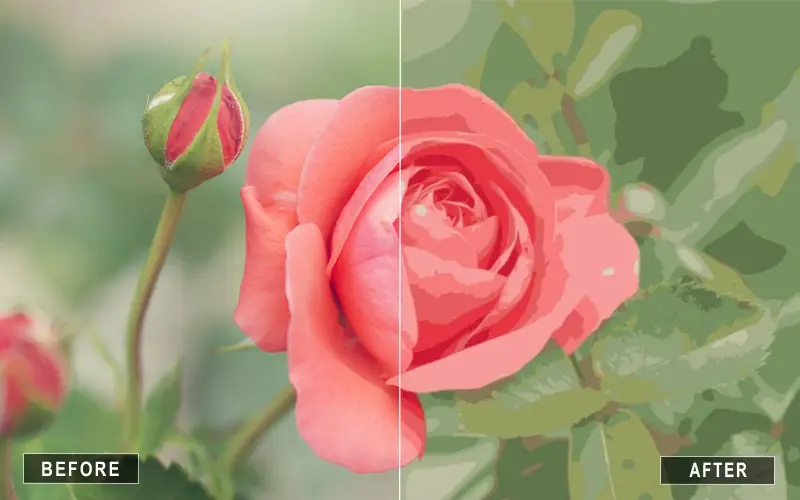
AVIF is great for small, high-quality photos — but most vectorizers reject it because their engine only reads PNG/JPEG/GIF/WebP/BMP. This page decodes AVIF in your browser and feeds the pixels straight to the tracer, so AVIF works without a server round-trip. PNG and JPG remain the safest sources when you need transparency or maximum compatibility.
AVIF is increasingly the default format from Android phones and many web tools. Most vectorizers do not accept it because the underlying engine does not. This one does, by decoding in your browser.
SVG is a different format (vector, not raster). The result will look crisp at any size, but it is a traced approximation of the original — not a lossless conversion.
No. This page decodes the first frame of a still AVIF. Animated AVIF (AVIF image sequences) is not supported.
No. The browser decodes AVIF locally, paints it to a canvas, and VTracer (running as WebAssembly in your browser) produces the SVG. Nothing is sent over the network.
Both pages use the same shared widget. AVIF support comes from the browser's native image decoder, so it works in any page that uses the widget.