CAD-Ready Vectors
DXF opens in AutoCAD, Fusion 360, CorelCAD, and most CNC controllers. Each shape becomes a real, editable entity rather than a flat pixel image.
Turn any JPG or PNG into an editable, CAD-ready DXF vector. Super Vectorizer Pro traces your image offline and exports clean paths for AutoCAD, Fusion, and other CAD software.
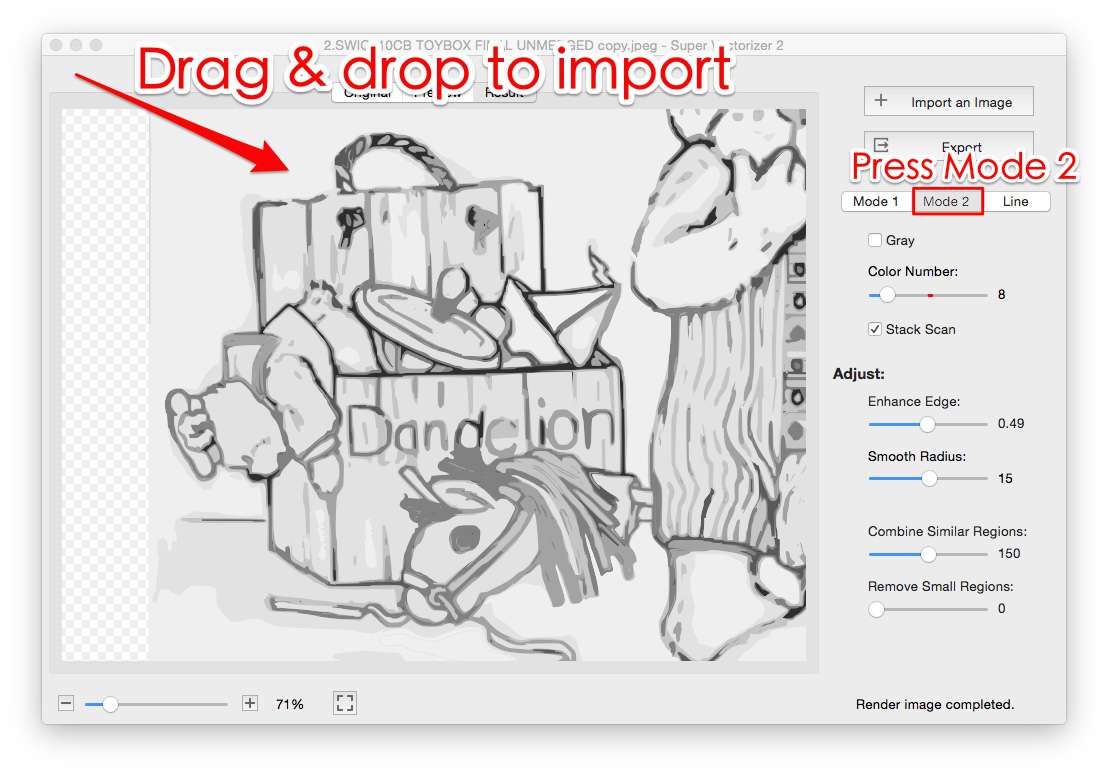
A DXF gives you editable geometry instead of a locked picture — the foundation of any CAD, CNC, or cutting workflow
DXF opens in AutoCAD, Fusion 360, CorelCAD, and most CNC controllers. Each shape becomes a real, editable entity rather than a flat pixel image.
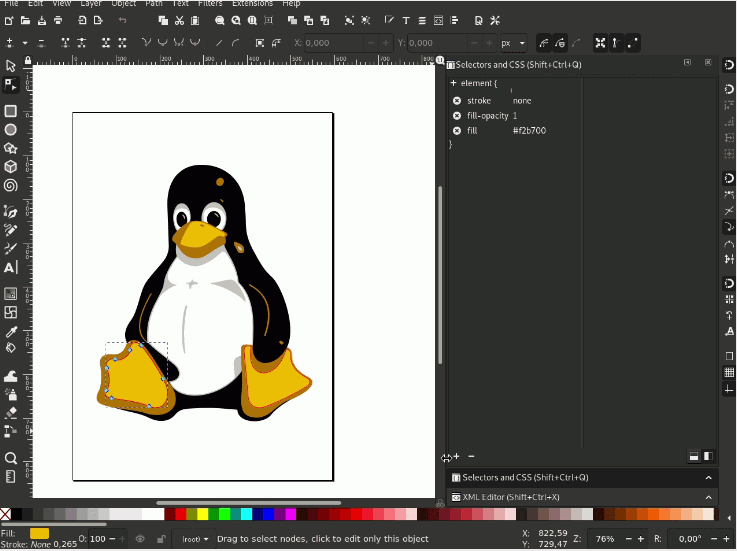
Every traced outline becomes a closed path or polyline. Move, resize, or rebuild geometry inside your CAD software after the conversion.
Set the output to millimeters or inches when you export, so a 1 px drawing never accidentally becomes 25.4x too large in CAD.
All tracing happens on your device. Your images never leave your computer — no uploads, no cloud, safe for client or unreleased work.
No manual node editing — just clean, CAD-ready vectors
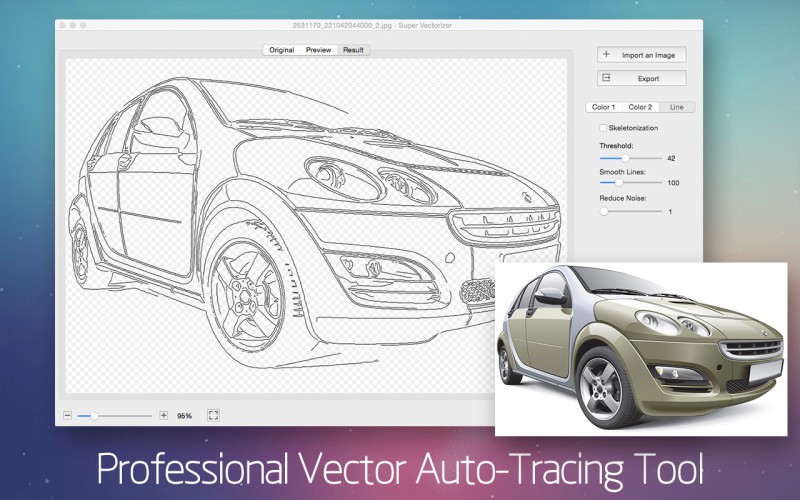
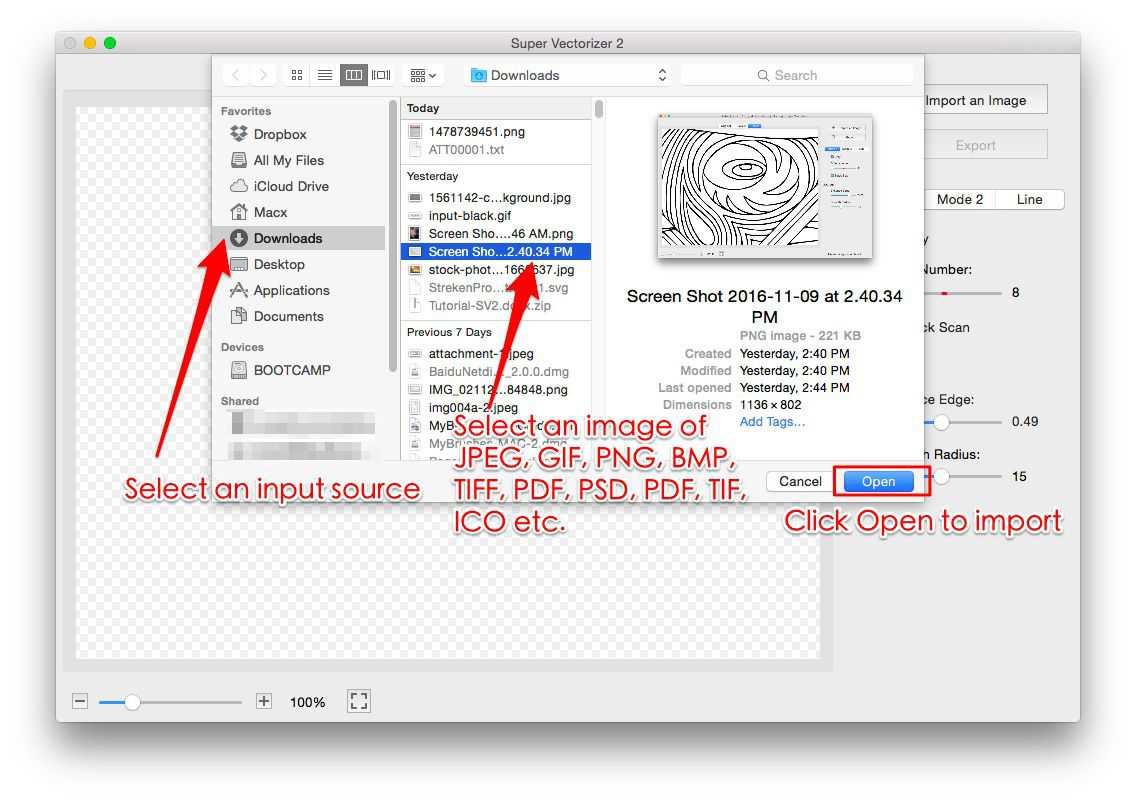
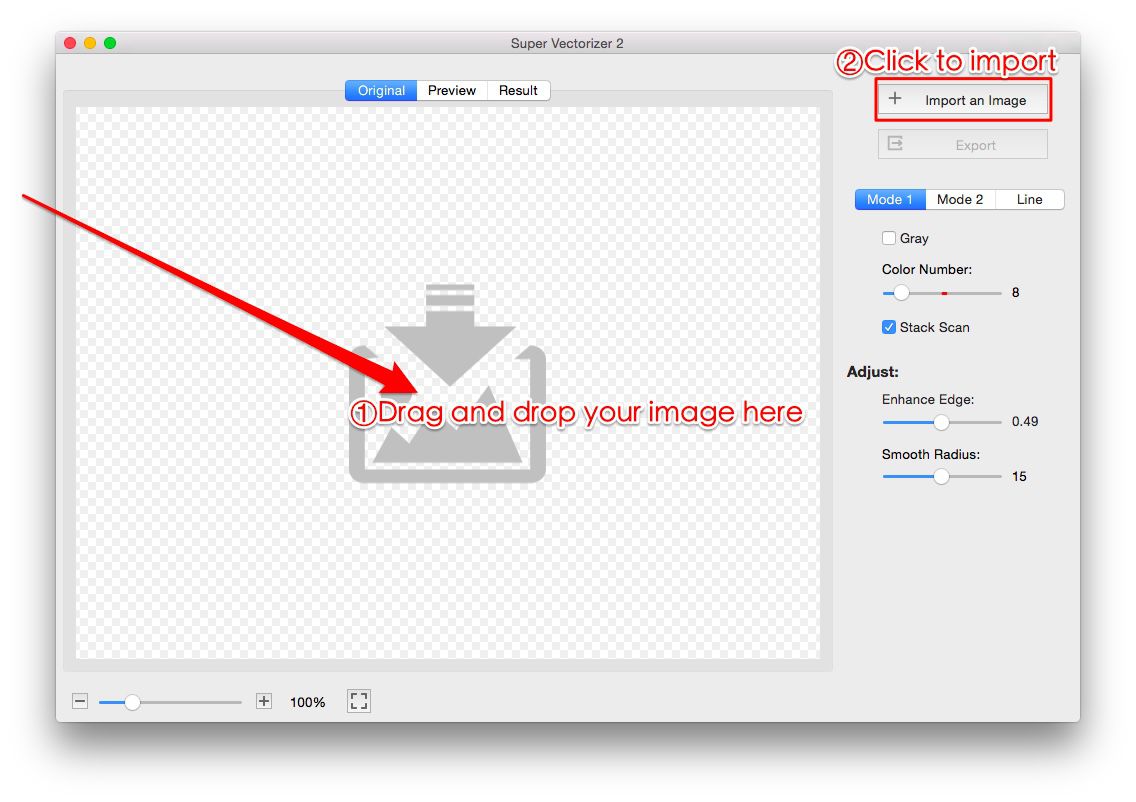
Load a JPG, PNG, or BMP exported from a scan, screenshot, or photo into Super Vectorizer Pro on your Mac or Windows machine.
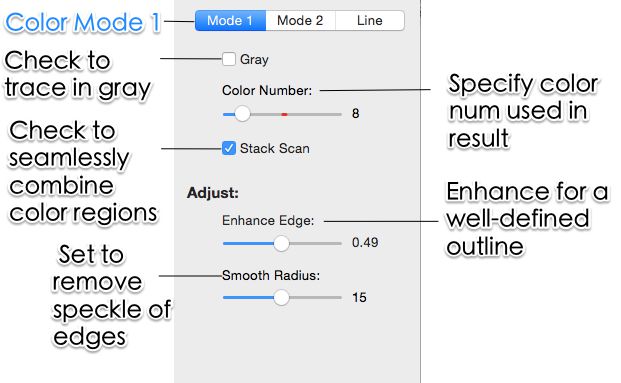
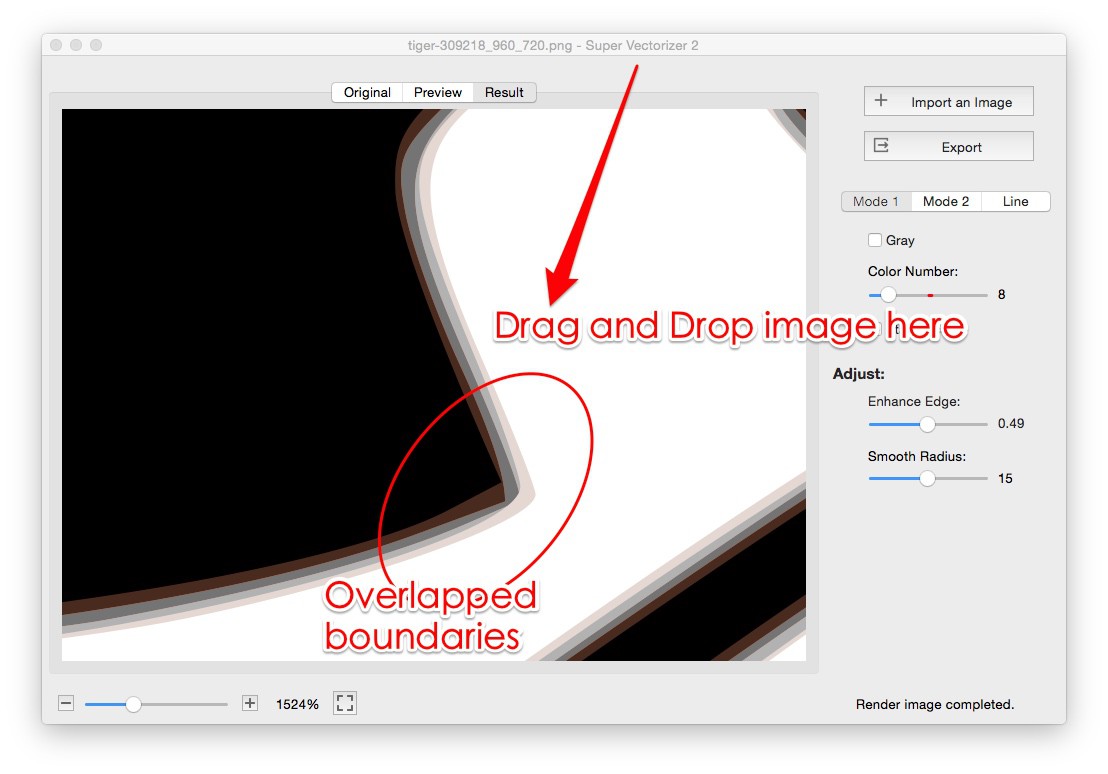
Pick DXF as the output, set the color count and detail to match your drawing, then preview the traced vector before export.
Open the DXF in AutoCAD, Fusion 360, or your CNC software, set the real-world units, and edit each path as needed.
Ready to convert your JPG to DXF? Try Super Vectorizer Pro free trial to preview traced results on your own images.
Compatible with macOS 10.10+ (M1/M2/M3) & Windows 7/8/10/11
Match the exported format to the job
Export DXF for plasma, laser, and CNC routers. Clean closed paths mean fewer toolpath errors and smoother cuts.
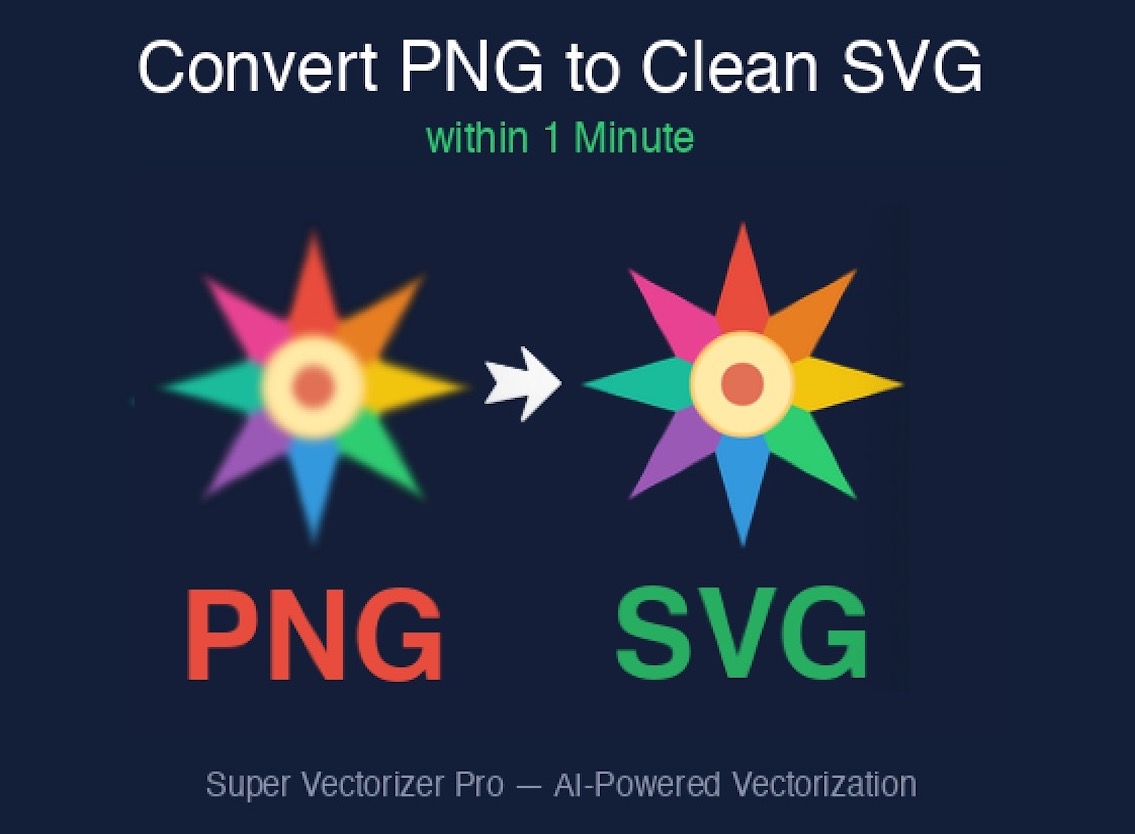
Digitize hand sketches and scans into editable CAD geometry, then add precise dimensions inside AutoCAD.
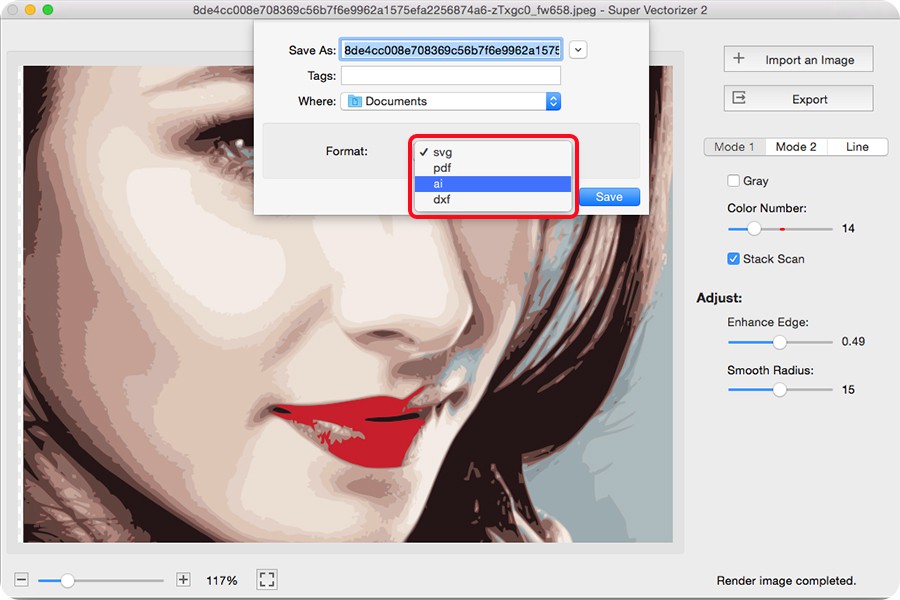
Use SVG or PDF for print and vinyl, and DXF when a cutting plotter needs outline geometry instead of a filled design.
Everything you need to know about converting JPG to DXF
No. macOS has no built-in tool that turns a JPG or PNG into a DXF vector. A JPG is a flat raster image, while DXF is a CAD vector format made of editable lines and curves. You need a tracing application like Super Vectorizer Pro to convert the raster into vector paths and export them as DXF.
DXF (Drawing Exchange Format) is Autodesk's open CAD format. Unlike a JPG, a DXF stores geometry as editable polylines, arcs, and curves that open in AutoCAD, Fusion 360, CorelCAD, and most CNC software. Converting a JPG to DXF lets you scale a design to any size and edit each element individually instead of being stuck with a flat picture.
Yes. Super Vectorizer Pro converts JPG, PNG, BMP, and other raster images into DXF on both macOS and Windows. After loading your image it traces the artwork, and you choose DXF (along with SVG, EPS, PDF, and AI) from the export menu. A free trial lets you preview the traced result before buying.
Yes. The exported DXF uses standard AutoCAD-compatible entities, so it opens in AutoCAD, Fusion 360, DraftSight, and similar CAD programs. Each traced shape becomes an editable path or polyline, so you can move, resize, or rebuild geometry rather than working with a locked bitmap.
DXF itself has no fixed pixel size, so you set the real-world scale when you export. Super Vectorizer Pro lets you define the output in millimeters or inches, which is essential for CAD, CNC, and laser work where a wrong unit setting can blow a 1 px design up 25.4x. Always confirm the unit before exporting.
Exactly the same way. PNG works even better than JPG for conversion because it is lossless and can carry transparent backgrounds. Open the PNG in Super Vectorizer Pro, trace it, and export DXF. Transparent areas are simply left empty in the vector, which is handy for logos and cut files.
Yes. Super Vectorizer Pro is a cross-platform desktop app for macOS 10.10+ (including Apple Silicon M1/M2/M3) and Windows 7, 8, 10, and 11. The Mac and Windows versions share the same tracing engine and the same DXF, SVG, EPS, PDF, and AI export options.
DXF is a vector line format and does not store raster transparency. When you trace a PNG with a transparent background, the visible artwork is converted into vector paths and the empty areas are left blank. If you need filled color regions, export SVG or PDF instead; use DXF when you only need cut or outline geometry.
Yes. All tracing happens locally on your Mac or Windows computer. Your images never leave the device, which matters for client drawings, blueprints, or unreleased work. There is no upload step and no cloud dependency, so you can convert JPG to DXF anywhere, even without an internet connection.
Along with DXF, Super Vectorizer Pro exports SVG (best for web and Cricut), EPS and PDF (for print shops), and Adobe Illustrator AI. PNG and JPG are available when you need a raster preview. This means one traced image can feed CAD, print, web, and cutting workflows without re-tracing.
A free trial is available for both Mac and Windows. It is preview-only: you can load a JPG or PNG, adjust tracing settings, and see the resulting vector on screen, but saving or exporting the DXF requires a license. This lets you confirm quality before you buy.
Raster-to-vector tracing reconstructs outlines and lines, not true parametric CAD geometry, so expect clean editable paths rather than smart dimensions. For hand sketches, scans, and logo art it produces excellent CAD-ready results. For precision engineering drawings, use it to digitize the artwork, then add exact dimensions inside AutoCAD.
Join 50,000+ designers and engineers who trust Super Vectorizer Pro.
30-day money-back guarantee.
More raster-to-vector pipelines built into Super Vectorizer Pro